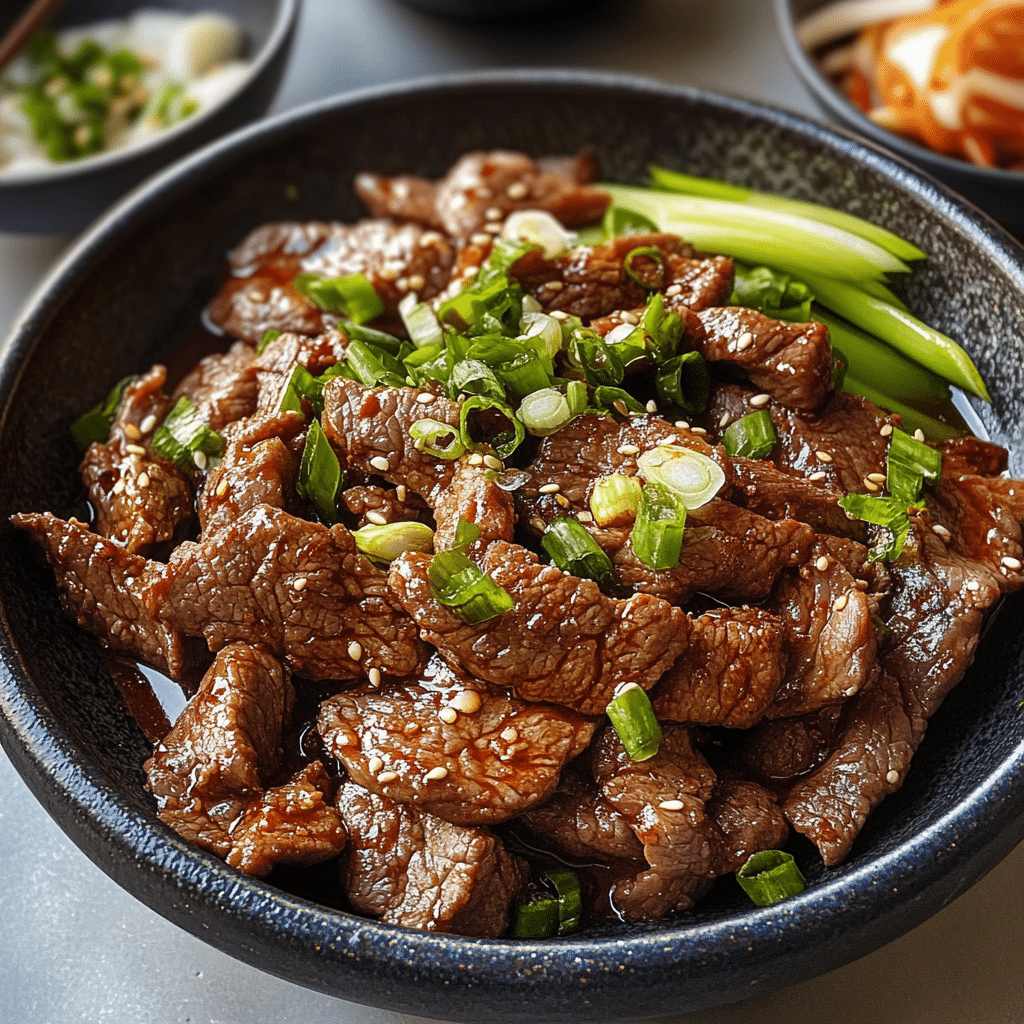
Unlocking the Magic of Melt-in-Your-Mouth Beef Bulgogi
There are few culinary experiences as universally beloved and satisfying as a truly exceptional Korean BBQ meal. Among its star players,
beef bulgogi stands out as a dish that effortlessly captivates palates with its sweet, savory, and incredibly tender profile. Often hailed as the perfect entry point for anyone curious to explore the vibrant world of Korean cuisine, bulgogi offers an accessible yet profound taste adventure. If you've ever dreamt of recreating that restaurant-quality Korean barbecue beef in your own kitchen, you're in the right place. This comprehensive guide will walk you through mastering this iconic dish, ensuring every bite is a melt-in-your-mouth delight.
The journey to perfect bulgogi often begins, for many, with a shared meal – perhaps introduced by a friend, or discovered in an authentic Korean eatery. Like pho acts as a gateway to Vietnamese food,
beef bulgogi performs a similar role for Korean fare. Its delightful combination of thinly sliced beef, rich marinade, and quick cooking method makes it an irresistible treat that's surprisingly simple to prepare at home. And lucky for you, it’s entirely within your reach to achieve truly incredible results.
What Exactly Is Beef Bulgogi?
Before we dive into the cooking process, let's clarify what this delicious dish entails. Bulgogi, pronounced "bul-GOH-gee," literally translates to "fire meat" in Korean. This evocative name perfectly describes its essence: thinly sliced meat, traditionally beef, marinated in a sweet and savory soy-based sauce, then quickly cooked over high heat – usually grilled or pan-seared to juicy, flavorful perfection. While most commonly associated with beef, variations can sometimes include pork.
The magic of bulgogi lies in two key elements: the incredibly flavorful marinade and the specific preparation of the beef. This dynamic duo ensures that each piece of meat cooks rapidly, developing a beautiful caramelized exterior while remaining incredibly tender and succulent on the inside. It's truly a testament to the power of thoughtful preparation and balanced flavors.
Crafting the Quintessential Bulgogi Marinade: A Symphony of Flavors
The secret to achieving that signature melt-in-your-mouth tenderness and complex flavor profile in your
beef bulgogi lies squarely in its marinade. This isn't just any sauce; it's a carefully balanced blend designed to tenderize, infuse, and caramelize. While the list of ingredients might seem extensive, each plays a vital role in creating the ultimate Korean BBQ beef.
Let's break down the essential components:
- Soy Sauce: The backbone of almost any Korean marinade. Opt for a low-sodium variety to better control the saltiness, or even substitute with low-sodium tamari for a gluten-free alternative. This provides the fundamental savory, umami base.
- Rice Wine Vinegar: Unsweetened rice vinegar adds a subtle tang that brightens the rich flavors of the marinade without making it overtly sour. Look for bottles with green caps or labels, typically indicating unsweetened varieties.
- Toasted Sesame Oil: A little goes a long way with this ingredient! Toasted sesame oil imparts a distinct nutty, toasty aroma and a rich depth of flavor that is quintessential to Korean cuisine. It's crucial for achieving that authentic taste.
- Brown Sugar & Honey: This duo is where the sweetness comes alive. While you could use one or the other, the combination offers a more nuanced sweetness. Brown sugar provides molasses notes, while honey adds a beautiful floral complexity and helps create that desirable caramelization on the beef during cooking.
- Gochugaru & Black Pepper: For a subtle warmth without overwhelming spiciness, a pinch of gochugaru (Korean chili pepper flakes) is perfect. It's important not to confuse gochugaru with gochujang, which is a fermented chili paste. Gochugaru provides a mild, smoky heat and vibrant color. Freshly ground black pepper adds another layer of mild spice.
- Fresh Garlic & Ginger: These aromatic powerhouses are non-negotiable. Always use fresh garlic, finely minced. For ginger, fresh root grated finely is best, but ginger puree (found refrigerated or frozen) is a convenient alternative. They provide a pungent, fresh counterpoint to the sweetness.
- Pear: The Secret Tenderizer: This is arguably the most crucial ingredient for achieving truly tender beef bulgogi. Asian, Korean, or Nashi pears contain natural enzymes that break down tough meat fibers, resulting in an unbelievably soft texture. If these are hard to find, a ripe Bosc or Anjou pear makes an excellent substitute. For a deeper dive into this tenderizing marvel, explore The Secret to Tender Beef Bulgogi: Marinade & Pear Power.
Combining these ingredients creates a marinade that not only infuses the beef with incredible flavor but actively tenderizes it, setting the stage for a truly unforgettable meal.
The Art of Perfect Beef Preparation for Tender Bulgogi
The quest for melt-in-your-mouth bulgogi doesn't stop at the marinade; the beef itself requires specific attention. The cut of beef and how it's prepared are paramount to achieving that characteristic tenderness and quick cooking time.
Choosing Your Cut
For
beef bulgogi, you want thinly sliced beef that will cook quickly and absorb the marinade efficiently. Excellent choices include:
- Ribeye: Known for its marbling and rich flavor, ribeye cooks up incredibly tender.
- Top Sirloin: A lean yet flavorful cut that responds beautifully to the tenderizing marinade.
- Flank Steak: While naturally tougher, when thinly sliced against the grain and properly marinated, flank steak becomes wonderfully tender and flavorful.
Any prime beef cut with good marbling will work well. The key is the thinness of the slice.
The Thin Slice Trick
Getting perfectly thin slices of beef can be challenging, but there's a simple chef's trick:
- Partially Freeze the Beef: Place your chosen beef cut in the freezer for 20 to 30 minutes. This firms up the meat, making it much easier to slice against the grain into uniform, paper-thin pieces.
- Slice Against the Grain: Once slightly firm, remove the beef and slice it against the grain. This shortens the muscle fibers, further contributing to the meat's tenderness once cooked.
Once sliced, combine the beef with your expertly crafted marinade. For best results, allow the beef to marinate for at least 30 minutes, but ideally 2-4 hours, or even overnight in the refrigerator for maximum flavor penetration and tenderness.
Searing or Grilling Your Bulgogi to Perfection
Now that your beef is perfectly marinated, it’s time to cook it. Whether you opt for pan-searing or grilling, the goal is high heat and quick cooking to achieve beautiful caramelization without overcooking the thin slices.
Pan-Searing on the Stovetop
This method is ideal for home cooks and delivers fantastic results:
- Heat Your Pan: Use a large, heavy-bottomed skillet or cast-iron pan over medium-high heat. Add a small amount of neutral oil (like grapeseed or vegetable oil) until shimmering.
- Don't Overcrowd: This is crucial. Cook the beef in batches. Adding too much beef at once will lower the pan's temperature, causing the meat to steam rather than sear, resulting in less flavorful, tougher bulgogi.
- Sear Quickly: Spread a single layer of beef in the hot pan. Cook for 2-3 minutes per side, until beautifully browned and caramelized. The thin slices cook very fast.
- Repeat: Remove the cooked beef to a plate and repeat with the remaining batches.
Grilling for Authentic Char
If you have access to a grill, this method truly brings out the "fire meat" essence:
- Preheat Grill: Heat your grill to medium-high heat. If using a charcoal grill, aim for a good, even bed of coals.
- Grill Grates: Lightly oil your grill grates to prevent sticking.
- Quick Grill: Lay the marinated beef in a single layer directly on the hot grates. Grill for 1-2 minutes per side, until nicely charred and cooked through. Be mindful not to let any sugary marinade drip and cause flare-ups.
Regardless of your chosen method, remember to cook quickly and efficiently to lock in the juices and flavors.
Serving Bulgogi: Embracing the Authentic Korean BBQ Experience
To truly complete your homemade
beef bulgogi experience, consider serving it in the traditional Korean BBQ style. It’s not just about the meat; it’s about the fresh accompaniments that create a balanced, interactive, and incredibly satisfying meal.
Essential Accompaniments:
- Steamed Rice: A foundation for almost any Korean meal, plain steamed white rice provides a neutral base to soak up all the delicious bulgogi juices.
- Fresh Lettuce Leaves: Large, crisp lettuce leaves (such as red leaf, green leaf, or even perilla leaves) are essential for making ssam, or wraps. Diners take a piece of cooked bulgogi, a spoonful of rice, and any other desired banchan, wrap it in lettuce, and enjoy.
- Ssamjang: This savory, slightly spicy dipping sauce is the quintessential condiment for ssam. It's a fermented bean paste (doenjang) and chili paste (gochujang) mixture, often with garlic, sesame oil, and other seasonings, that ties all the flavors together.
- Banchan (Side Dishes): No Korean meal is complete without a spread of banchan! Classic choices include:
- Kimchi: Fermented spicy cabbage, a must-have for its tangy kick.
- Spicy Cucumber Salad: Refreshing and zesty.
- Pickled Radish: Offers a crunchy, tangy contrast.
These small side dishes add texture, flavor, and a vibrant visual appeal to your meal.
- Garnish: Finish your cooked bulgogi with a sprinkle of toasted sesame seeds and thinly sliced green onions for added texture, color, and freshness.
As you assemble your wraps and savor the layers of flavor, you'll understand why
beef bulgogi is more than just a dish – it's an experience. If you’re eager to explore more Korean culinary delights, our article
Easy Beef Bulgogi: Your Gateway to Incredible Korean BBQ offers further inspiration.
Conclusion
Mastering homemade
beef bulgogi is a rewarding culinary achievement that brings the excitement and flavors of a Korean barbecue restaurant right into your home. By understanding the roles of key marinade ingredients, perfecting the thin slicing technique, and confidently searing or grilling your beef, you can consistently achieve that coveted sweet, savory, and melt-in-your-mouth tender result. So gather your ingredients, follow these steps, and prepare to delight your family and friends with an incredible, authentic Korean feast. Enjoy every delicious, perfectly tender bite!